
Menu Engineering: How to Use the Menu Matrix to Boost Profit
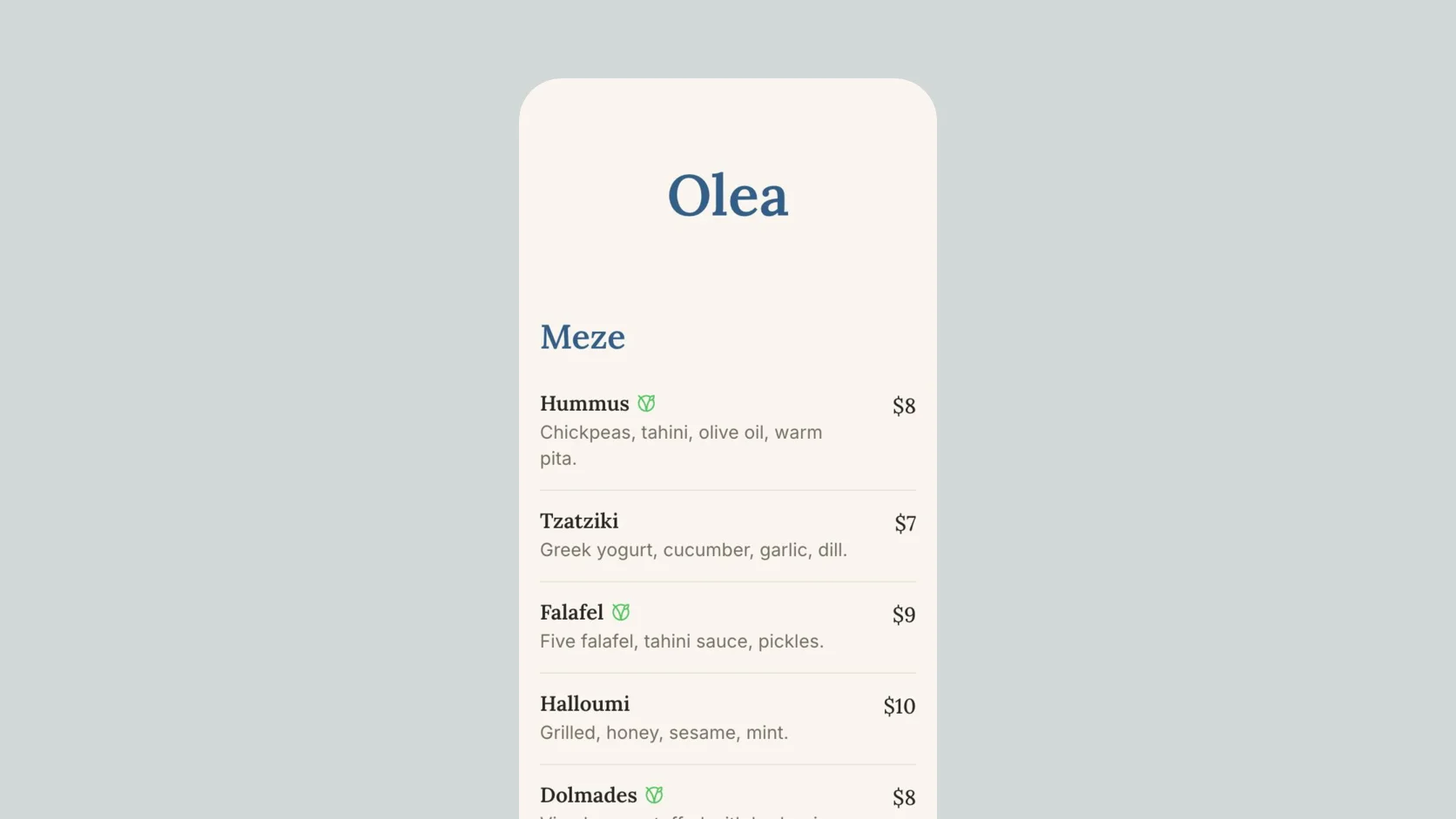
Most restaurant owners know which dishes sell the most. Far fewer know which dishes actually make the most money.
Those aren't always the same. Your bestselling dish might have a thin margin, while a quietly profitable dish sits at the bottom of the menu where nobody notices it. Menu engineering is a simple method for finding those differences — and using your menu design, pricing and descriptions to fix them.
In this guide you'll learn what menu engineering is, how to build a menu engineering matrix step by step, what to do with each type of dish, and practical design tips you can apply right away.
What is menu engineering?
Menu engineering is the process of analyzing each menu item by two measures:
- Popularity — how many of that item you sell compared with other items in the same category.
- Profitability — how much gross profit (contribution margin) each sale brings in.
You then sort every dish into one of four groups — stars, plowhorses, puzzles and dogs — and decide what to do with each one: promote it, reprice it, redesign it or remove it.
The goal isn't to lower food cost percentage. It's to increase total profit from the menu.
Key terms
Contribution margin is the amount of money a dish contributes after ingredient costs:
Contribution margin = Menu price − Plate cost
A $24 steak with a $10 plate cost has a $14 contribution margin. A $16 pasta with a $3 plate cost has a $13 margin. The steak has a much worse food cost percentage (42% vs. 19%), yet it earns more per sale.
Menu mix (popularity) is the share of total sales an item accounts for in its category:
Menu mix % = Item units sold ÷ Total units sold in the category × 100
The four categories of the menu engineering matrix
| High profit | Low profit | |
|---|---|---|
| High popularity | ⭐ Stars | 🐴 Plowhorses |
| Low popularity | 🧩 Puzzles | 🐶 Dogs |
⭐ Stars — popular and profitable
These are your best dishes. Customers love them and they make good money.
What to do: Keep them consistent, give them the best spot on the menu, and don't change the recipe. Consider a small price increase — stars can often handle it.
🐴 Plowhorses — popular but less profitable
Customers order them a lot, but each sale brings in less profit.
What to do: Carefully raise the price, reduce the portion slightly, swap a costly ingredient, or pair it with high-margin sides and add-ons. Move it to a less prominent spot so it doesn't overshadow more profitable items.
🧩 Puzzles — profitable but not popular
These dishes make great money per sale, but not enough customers order them.
What to do: Make them more visible. Move them higher on the menu, add a photo or a "house favorite" label, rewrite the description, rename them or have staff recommend them. If nothing works, consider lowering the price slightly.
🐶 Dogs — not popular and not profitable
These dishes don't sell much and don't make much money.
What to do: Remove most of them. Keep one only if it serves a purpose — for example, the only vegetarian main or a dish a loyal regular orders every week. Otherwise, it's taking up menu space, inventory and prep time.
How to build a menu engineering matrix (step by step)
You can do this in a spreadsheet in about an hour.
Step 1: Pick a time period and category
Use sales data from your POS for a recent period — usually one to three months. Analyze one menu category at a time (for example, mains), since comparing a dessert with a steak isn't useful.
Step 2: Record units sold, price and plate cost
For each item, write down:
- Number sold
- Menu price
- Plate cost (use recipe costing or our free food cost calculator)
Step 3: Calculate contribution margin
Menu price − plate cost.
Step 4: Find the popularity threshold
A common rule is the 70% rule: an item is "popular" if its menu mix is at least 70% of an equal share.
Popularity threshold = (100% ÷ number of items) × 0.7
With 10 mains, an equal share is 10%, so the threshold is 7%. Items above 7% of sales are popular; items below aren't.
Step 5: Find the average contribution margin
Average CM = Total contribution margin of all items sold ÷ Total units sold
Items with a contribution margin above the average are "high profit"; items below are "low profit".
Step 6: Classify every item
Compare each item against both thresholds and label it a star, plowhorse, puzzle or dog.
Menu engineering example
Here's a simplified example for six mains over one month:
| Dish | Sold | Price | Plate cost | CM | Menu mix | Category |
|---|---|---|---|---|---|---|
| Chicken parmigiana | 420 | $24 | $6.20 | $17.80 | 28% | ⭐ Star |
| Burger and fries | 380 | $18 | $5.90 | $12.10 | 25% | 🐴 Plowhorse |
| Mushroom risotto | 110 | $23 | $4.10 | $18.90 | 7% | 🧩 Puzzle |
| Ribeye steak | 250 | $38 | $15.50 | $22.50 | 17% | ⭐ Star |
| Salmon | 270 | $29 | $11.20 | $17.80 | 18% | ⭐ Star |
| Vegetable curry | 70 | $17 | $4.60 | $12.40 | 5% | 🐶 Dog |
- Popularity threshold: (100% ÷ 6) × 0.7 ≈ 11.7%
- Average contribution margin: $25,452 ÷ 1,500 ≈ $17.00
What this tells us:
- Chicken parm, ribeye and salmon are stars — keep them prominent.
- The burger is a plowhorse. Try a $1 price increase, a cheaper side option, or an upsell to loaded fries.
- Mushroom risotto is a puzzle. It's very profitable but under-ordered — move it up, add a photo and a better description.
- Vegetable curry is a dog. Either replace it with a better vegetarian dish or rework the recipe.
Menu design tips that support menu engineering
Once you know which dishes to promote, your menu design does the selling.
Use the "golden triangle" and top positions
On printed menus, eyes tend to go to the center, then the top right, then the top left. On a phone menu, guests read top to bottom — so the first two or three items in each section get the most attention. Put stars and puzzles there.
Highlight with boxes, labels and photos
A box around a dish, a "chef's favorite" label or a single good photo draws attention. Use them sparingly — if everything is highlighted, nothing is.
Write better descriptions
Descriptive, sensory language helps puzzles sell. "Creamy porcini risotto with aged parmesan and brown butter" beats "Mushroom risotto".
Remove dollar signs and price columns
Prices shown as "24" instead of "$24.00" and placed right after the description (not lined up in a column) keep the focus on the food rather than the cost.
Use anchor items
A high-priced item like a tomahawk steak or seafood platter makes other items look more reasonable by comparison.
Keep categories short
Five to seven items per category is easier to scan and helps your highlighted items stand out.
How often should you re-engineer your menu?
Menu engineering isn't a one-time project. Customer preferences, ingredient prices and seasons change.
- Review your matrix every quarter, or whenever you update the menu.
- Recalculate plate costs whenever key ingredient prices change.
- Track the effect of every change — did moving the risotto to the top increase sales?
A digital menu makes this much easier. With a QR code menu, you can reorder dishes, add labels, update descriptions and change prices instantly — then see whether it worked, without paying to reprint.
Common menu engineering mistakes
- Focusing only on food cost percentage instead of contribution margin.
- Removing dogs without asking why — maybe the description or position is the problem.
- Comparing items across categories (desserts vs. mains).
- Using outdated plate costs.
- Making too many changes at once, so you can't tell what worked.
Put menu engineering into practice
Start small. Pick your main course category, pull last month's sales from your POS, cost each dish and build your first matrix. Then make two or three changes — move a puzzle up, nudge a plowhorse's price, cut a dog — and measure the results next month.
If you need help with pricing, read our guide on how to price menu items and our guide on how to calculate food cost percentage, or use our free menu price calculator.
When you're ready to redesign, browse our menu templates to build a clean, mobile-friendly menu that puts your most profitable dishes front and center. For more layout inspiration, see our 15 menu design ideas.
Frequently asked questions about menu engineering
What is menu engineering?
Menu engineering is a method for analyzing menu items by popularity and profitability, then using pricing, placement and design to sell more of the most profitable dishes.
What are the four categories in menu engineering?
Stars (popular and profitable), plowhorses (popular but less profitable), puzzles (profitable but not popular) and dogs (neither popular nor profitable).
What is contribution margin on a menu?
Contribution margin is the menu price minus the plate cost. It shows how many dollars each sale contributes toward labor, overhead and profit.
What is the 70% rule in menu engineering?
An item is considered popular if its share of sales is at least 70% of an equal share. With 10 items in a category, each would have a 10% equal share, so any item selling 7% or more is "popular".
How often should you do menu engineering?
Most restaurants review their menu engineering matrix every three months or whenever they update the menu, and recalculate plate costs whenever ingredient prices change.
Is menu engineering the same as menu design?
Not exactly. Menu engineering is the analysis — figuring out which dishes to promote, reprice or remove. Menu design is how you present those decisions on the menu through layout, highlights, photos and descriptions.